REVIEW · QUEBEC CITY
Skiing (Hok Ski) Excursion in Jacques-Cartier National Park
Book on Viator →Operated by Quatre Natures · Bookable on Viator
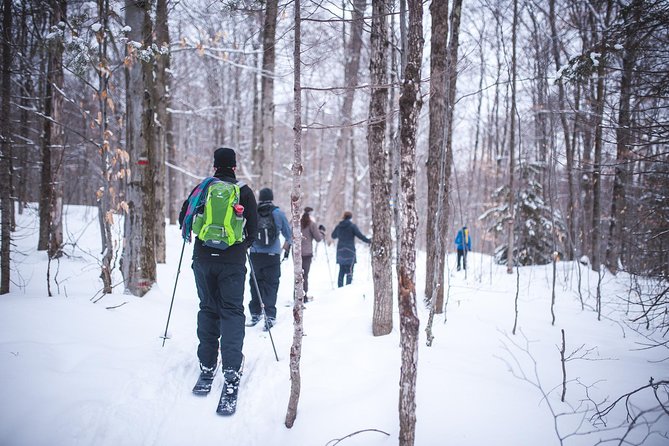
A cold morning in Quebec City turns into a snowy workout. This Hok Ski excursion combines cross-country skiing feel with snowshoe-style touring in Jacques-Cartier National Park, plus a warm lunch stop and hands-on technique help. I like that the experience is built around learning your equipment and moving with confidence, not just walking in snow. I also love the small-group feel, which keeps the pacing friendly and the teaching practical, even when the terrain gets a bit technical. One thing to consider: this is not a gentle stroll. It’s athletic and can involve slips and steeper-ish moments, so it’s best for people with at least moderate fitness and good balance.
You’ll start in Quebec City, transfer to the park, then spend about four hours outside learning the rhythm of ski-shoeing. You’ll get the gear and instruction, then you’ll head deeper for photos of winter forest scenes and wildlife chances (even if you don’t spot anything big, the quiet is part of the reward). If you’re expecting a true snowshoe-only tour, adjust your expectations now: Hok Ski is its own sport.
In This Review
- Key Highlights You’ll Actually Care About
- What Hok Ski Means in Practice (Ski-Shoeing, Not Just Walking)
- Quebec City to Jacques-Cartier National Park: The Timing That Sets You Up
- Gear and Training: How You Learn to Move Before the Hard Parts
- The Refuge Break: Lunch, Hot Drinks, and Winter-Calm Photos
- The Technical Section: Telemark-Type Rises and Descents
- Who This Hok Ski Tour Is For (And Who Should Think Twice)
- Price and Value: What You Get for $119.14
- What to Bring: Winter Clothes and the Comfort Checks That Matter
- Should You Book Hok Ski in Jacques-Cartier National Park?
- FAQ
- Do I need winter clothes for this Hok Ski tour?
- What is included in the tour price?
- Is Hok Ski the same as a snowshoeing tour?
- What are the main times for the day trip?
- Is the tour suitable for beginners?
- What happens if the weather or snow conditions are poor?
- Can I get a refund if I cancel?
Key Highlights You’ll Actually Care About
- Small group size (capped at 10, with a strong focus on close coaching)
- Real instruction early on so you learn technique before the more challenging bits
- Refuge stop with dinner break plus lunch and hot beverage
- Ski-Hok mix of cross-country and snowshoeing—and it’s explicitly not a snowshoe tour
- Telemark-type rises and descents in a more technical section
What Hok Ski Means in Practice (Ski-Shoeing, Not Just Walking)
Hok Ski is often described as ski-shoeing, and that’s a good clue. You’re gliding forward through snow using equipment that sits somewhere between cross-country skiing and snowshoe trekking. The big difference from snowshoeing alone is how your movement feels. Hok Ski tends to be more “ski-like” in balance and motion, so your body gets a cardio-and-stability workout faster than you might expect.
This matters because it shapes how you should prepare. If you come expecting a simple snowshoe walk, you’ll likely find the technique section more intense. The good news: you’re not thrown into the deep end. The plan includes an early segment devoted to getting your proper setup and travel technique down, before you reach the refuge break.
You can also read our reviews of more tours and experiences in Quebec City.
Quebec City to Jacques-Cartier National Park: The Timing That Sets You Up
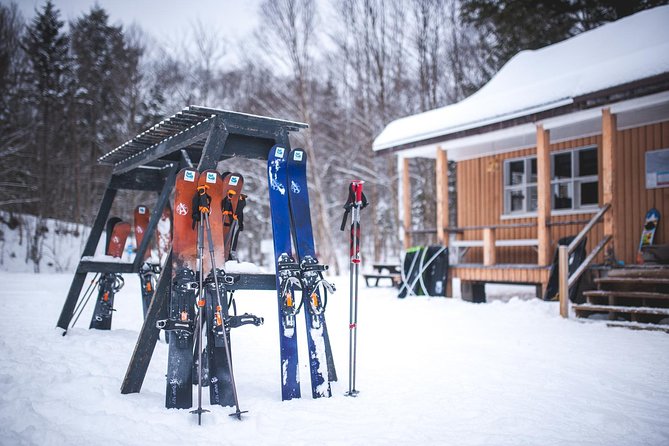
The day runs on a clean schedule that makes the most of winter daylight. You leave Quebec City at 9:00 am and arrive at the national park around 10:00 am. The guided activity starts at 10:30 am, then ends around 2:00 pm. After that, there’s a park departure at 3:00 pm and a return to Quebec City by about 4:00 pm.
That timing is useful for two reasons:
- You get morning energy for learning technique, when your muscles are less tired.
- You still have enough daylight for a full outdoor session without rushing through it.
Meeting point is the Centre Infotouriste de Québec (12 Rue Sainte-Anne) at 9:00 am. Pickup is also offered, which is great if you want to avoid parking, buses, or juggling winter logistics before you even start.
Gear and Training: How You Learn to Move Before the Hard Parts
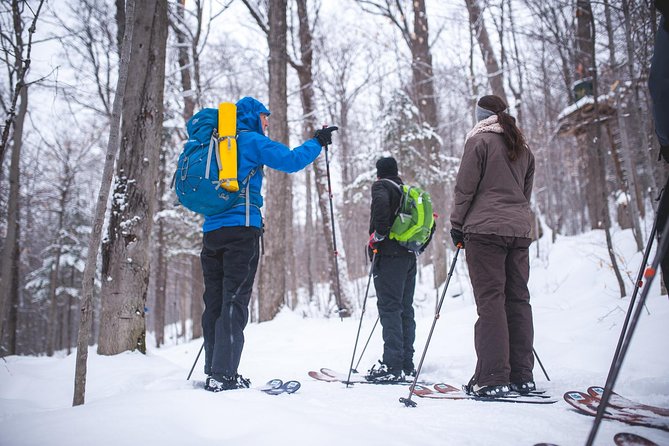
The tour includes all the necessary equipment and a professional guide, and that’s the heart of why this excursion feels doable. Hok Ski isn’t “just show up and walk.” You’ll get the first kilometres for gear setup and technique, which helps you understand how to move safely and efficiently.
In plain terms, this is where you learn:
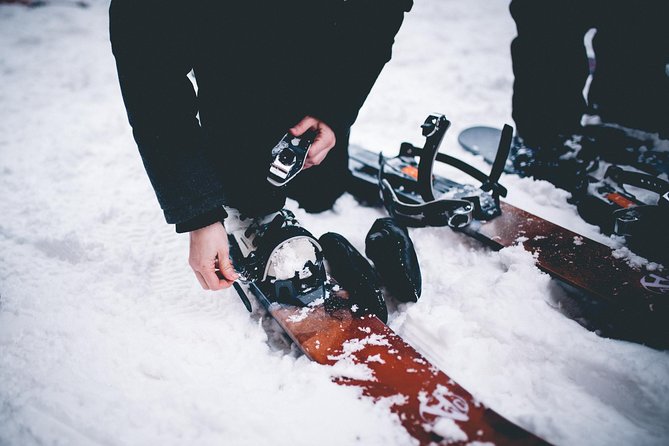
- how to buckle and strap correctly
- how to distribute weight as you travel
- how to handle the basic rhythm of Hok Ski on packed snow and turns
The reviews strongly point to patient, hands-on coaching. Guides like Levie/Levis, Lorenzo, Alex, Vicky, and Johann are repeatedly described as helpful and steady with beginners. That’s worth your attention because technique makes the difference between a fun workout and a frustrating one.
The Refuge Break: Lunch, Hot Drinks, and Winter-Calm Photos
At some point after the initial technique stretch, you’ll reach a refuge where you stop for a dinner break. The longer you’re outside in cold conditions, the more you’ll appreciate this pause. It’s not just about food. It’s about resetting your body so you can tackle the next, more technical section with better control.
Included in the break:
- Lunch with a vegetarian option (you request it after booking)
- a hot beverage
This is also when the environment does something special. Winter forest scenes in Jacques-Cartier National Park have that quiet, protected feeling—great for photos. Even if wildlife is shy, the combination of snow depth, trees, and fresh air is its own kind of “show.”
Practical tip from real experience: bring hand and foot warmers if you run cold. That small add-on can turn comfort into genuine enjoyment during the pauses and the return trek.
The Technical Section: Telemark-Type Rises and Descents
After lunch, the route shifts into a zone that’s described as more technical. This is where the activity stops being “easy learning mode” and starts feeling like a true winter sport.
The guide leads you through mastering rise and descent movements in a telemark-type style. Translation: you’ll work on how to bend, shift weight, and control your speed when terrain changes. If you’ve never tried something like this before, it can feel harder than expected, even with good weather.
This is also the part you should plan mentally for. One reason the ratings are so high is that the coaching seems to help people improve in real time. But the challenge is real. Several accounts mention this is physically demanding, with some people describing it as harder than they imagined. So set yourself up:
- wear layers that don’t restrict movement
- keep your expectations sporty
- understand that a few wobbles don’t mean you failed
Who This Hok Ski Tour Is For (And Who Should Think Twice)
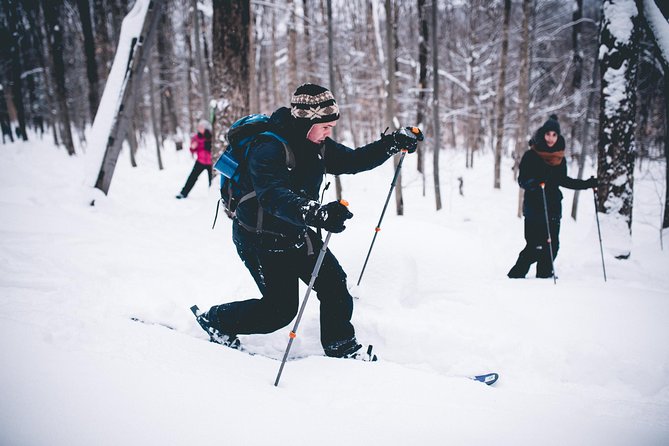
This is a great fit if you want an active, outdoorsy Quebec City day without committing to full downhill skiing. It’s also ideal if you enjoy learning a winter technique and want the option to capture photos in a more remote-feeling park setting.
You’ll likely enjoy it most if you:
- have moderate fitness
- can handle cold for a few hours
- are comfortable balancing on snow
- like instruction that’s practical and step-by-step
You should think twice if you’re bringing very young kids or you have mobility issues that make falls risky or recovery difficult. Even with coaching, this is not marketed as a low-effort activity. It’s meant to be a workout and a skill-building hike through snow.
Price and Value: What You Get for $119.14
At $119.14 per person, the value is strongest because key costs are bundled:
- transportation (air-conditioned vehicle)
- guide-led instruction
- all necessary equipment
- lunch (vegetarian option available)
- hot beverage
- all taxes/fees/handling charges
That adds up. Renting gear and paying for a lesson separately can be costly in winter. Here, you’re paying for the full “go do the sport safely” package, not just access to a trail.
The biggest reason this price feels fair is the teaching structure: you learn technique early, then you attempt more technical movement later. That’s a smarter design than tours that only offer “follow the leader.” If you’re paying to learn Hok Ski, you want coaching to be built into the plan, and that’s what you’re getting.
What to Bring: Winter Clothes and the Comfort Checks That Matter
Winter clothing is not included, so plan your pack like you’re going outside for several hours in cold conditions. The tour recommends:
- warm coat or jacket
- hat and gloves
- layers
- hiking boots/leather boots or sneakers (good traction matters)
Two comfort upgrades I’d strongly consider:
- hand and feet warmers if you tend to get cold
- socks that stay dry-ish (cold + wet socks can turn a fun day into misery fast)
Also, the tour says it operates in all weather conditions, but it can still be canceled if snow conditions are insufficient or if bad weather makes it unsafe. That’s normal in winter. Your best move is to dress like you expect cold and keep a “Plan B” mindset.
Should You Book Hok Ski in Jacques-Cartier National Park?
If you want a real winter sport day with instruction, this is an easy yes. The combination of small-group coaching, included equipment, and a warm refuge stop makes it feel like a complete outing rather than a basic walk. And if you’re visiting Quebec City and want something that doesn’t look like every other snowy activity, Hok Ski is a solid choice.
Book it if:
- you’re excited to learn a snow sport style that mixes cross-country and snowshoeing
- you want lunch and hot drinks provided
- you’re okay with a workout level that’s more athletic than casual hiking
Skip (or consider an easier option) if:
- you need a low-impact stroll
- balance issues or mobility limitations make falls difficult or stressful
- you’re not ready for a technical section with telemark-style movements
FAQ
Do I need winter clothes for this Hok Ski tour?
Yes. Winter clothing is not included. You should dress in layers with a warm coat or jacket, hat, and gloves, and wear hiking boots/leather boots or sneakers.
What is included in the tour price?
The price includes an air-conditioned vehicle, lunch with a vegetarian option (request after booking), hot beverage, a professional guide, all taxes/fees, and all necessary equipment.
Is Hok Ski the same as a snowshoeing tour?
No. It’s a Ski-Hok (ski-shoeing) activity. The tour is not a snowshoeing tour.
What are the main times for the day trip?
Departure from Quebec City is at 9:00 am, activity starts around 10:30 am, and the guided activity ends at about 2:00 pm. You depart the park at 3:00 pm and return to Quebec City around 4:00 pm.
Is the tour suitable for beginners?
The experience includes early kilometres to get proper equipment and technique. Reviews highlight guides being patient with beginners, but the activity is still physically demanding.
What happens if the weather or snow conditions are poor?
If it’s canceled due to insufficient snow or bad weather, you’ll be offered an alternative date or a full refund.
Can I get a refund if I cancel?
Free cancellation is allowed. You can cancel up to 24 hours in advance for a full refund. If you cancel less than 24 hours before the start time, the amount paid is not refunded.