REVIEW · QUEBEC CITY
Jacques-Cartier National Park: Skiing Excursion
Book on GetYourGuide →Operated by Quatre Natures · Bookable on GetYourGuide
Snowshoeing in Jacques-Cartier feels like winter time travel. You get free transportation from Quebec City, and the private guide setup makes the pace feel human instead of rushed. One thing to consider: the outing only happens if there’s enough snow, and it’s not a fit for everyone with mobility or heart concerns.
I also love how beginner-friendly it is. With ski-shoe gear and simple instruction, you can strap in and go even if you’ve never tried before, and the guide will help you spot tracks and talk about what’s living in the forest. The best part is the focus on real-world winter moments like wildlife spotting and photo stops—not just exercise for exercise’s sake.
In This Review
- Key Points You’ll Care About
- Why Ski-Shoe Through Jacques-Cartier National Park in Winter
- Quebec City Pickup: Place d’Armes or Gare du Palais
- Arriving at the Main Lodge: Gear Up and Learn Fast
- Out on Quiet Trails: Technique, Forest Talk, and Your Pace
- Photo Stops and Rest Breaks (Yes, They Matter)
- Wildlife Spotting: Deer, Moose, and Porcupine Clues
- Lunch and Hot Chocolate: The Midday Reset You’ll Appreciate
- Price and Value: What $108 Covers (and What It Doesn’t)
- Who This Tour Fits Best (and Who Should Skip It)
- When Snow Conditions Force a Change
- Should You Book Jacques-Cartier Ski-Shoe Tour?
- FAQ
- How long is the ski-shoe tour?
- Where do pickups happen in Quebec City?
- Do I need snowshoeing experience?
- What gear is included?
- Is lunch included?
- What should I bring?
- What happens if there isn’t enough snow?
Key Points You’ll Care About
- Free Quebec City transport keeps logistics easy and lets you show up ready to play outdoors.
- Private-guide attention means more coaching when your stride needs a tweak.
- Beginners welcome: you can walk, you can ski-shoe.
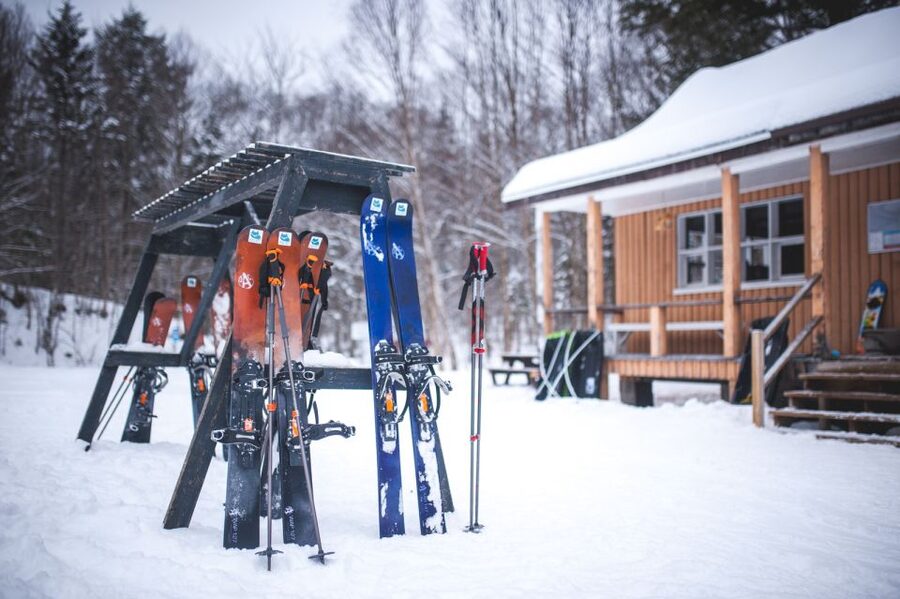
- Ski-shoe + trekking poles provided reduces what you have to rent or carry.
- Wildlife and photo breaks are built into the route, not tacked on at the end.
- Lunch and hot chocolate included so you’re not hunting for food after time in the cold.
Why Ski-Shoe Through Jacques-Cartier National Park in Winter
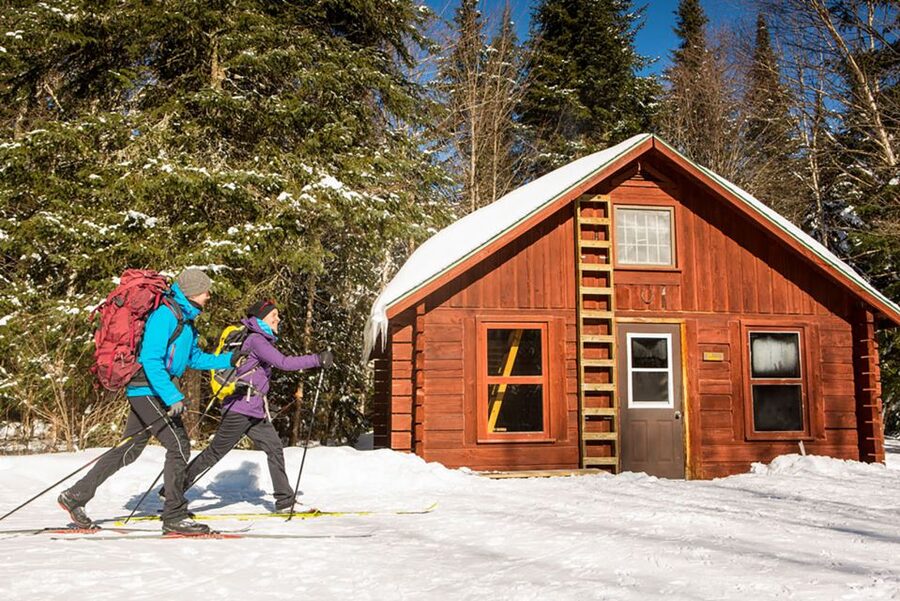
Jacques-Cartier National Park changes personality in winter. The trails are quieter. The woods feel tighter and more readable. And when the snow is good, you can move across it with less effort than you’d expect—if you use the technique your guide teaches.
I like that this isn’t sold as an endurance challenge. It’s more like a guided walk with winter gear. You’ll be out long enough to feel like you did something meaningful, but not so long that you’re cooked before lunch.
Winter also makes nature watching easier. You can often spot animals and signs of animals more readily against the snow. In the group I’m imagining, you’ll likely hear the guide point out where deer, moose, squirrels, and porcupines show up in the winter routine. It’s a small detail, but it turns a pretty outing into a learning one.
And yes, you’ll get photos. You’ll get pauses. You won’t just power through like it’s a race.
You can also read our reviews of more tours and experiences in Quebec City.
Quebec City Pickup: Place d’Armes or Gare du Palais
This tour starts with a straightforward meeting at your hotel hall. You’re expected to introduce yourself about 5 to 10 minutes early, then you’re off by bus. You’ll see two pickup/drop-off options in Quebec City—Place d’Armes and Gare du Palais—so you can choose what works best for your stay.
The drive is part of the day. You leave Quebec City around 9:00 am, and the schedule targets arrival at the park around 10:00 am. During that time, you’ll likely get a feel for what kind of cold you’re dressing for (winter can be deceptive—wind matters).
This transport-first setup is a real value move. Instead of spending your morning figuring out schedules, you spend it getting warm, getting briefed, and keeping your gear plan simple.
Also: the guide is live, and the tour runs in English and French, which helps if you’re traveling with someone who prefers one of those languages.
Arriving at the Main Lodge: Gear Up and Learn Fast
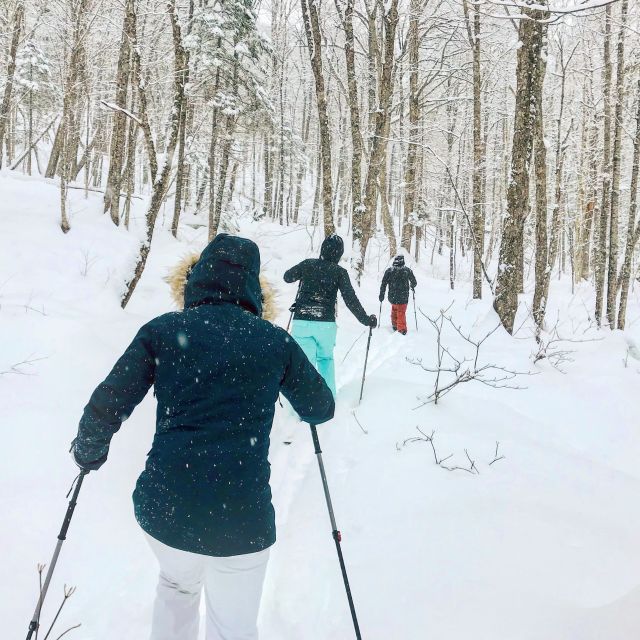
Once you reach the national park, you’ll head to the main lodge area. That’s where you bring your ski and trekking poles—at least in the sense that you’ll be using them during the activity—and where the coaching begins.
If you’re worried you’ll feel clumsy, relax. The sport is built for people who have no experience. The instruction is described as easy-to-follow, and the equipment is provided. That’s important because the right fit and basics (how to plant the pole, how to distribute your weight) can turn a wobbly start into a steady rhythm quickly.
This is where the guide quality shows up. In past outings with guides named Victor and Lorenzo, the feedback focused on patience and clear explanations. One guide even earned praise for making the technique click for people who needed more time.
You can also expect a bit of “how to read the winter forest” training. It’s not just step-by-step movement. You’re learning what you’re walking through—how the forest works in cold weather, and what kinds of signs matter.
Out on Quiet Trails: Technique, Forest Talk, and Your Pace
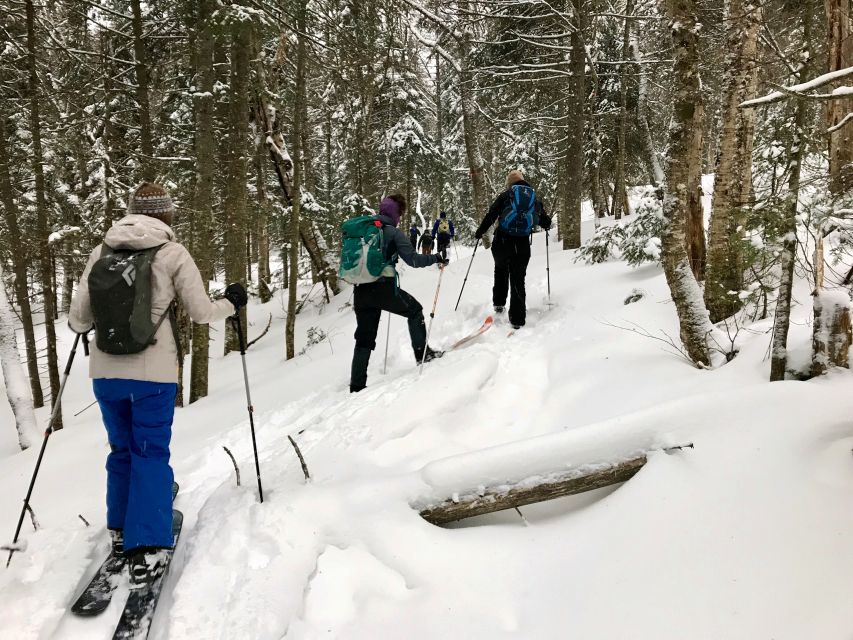
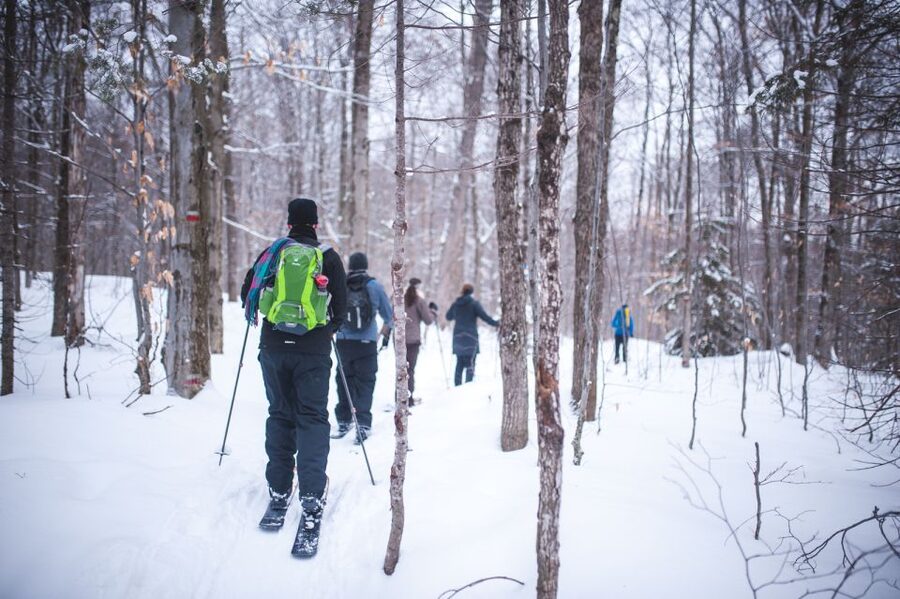
After the lodge time, you strap in and follow the guide along quiet trails. The core idea is simple: you move at a pace that keeps you comfortable and lets you actually look around.
Your guide will manage the group so people can keep up without feeling stressed. You’ll likely get practice early on and then settle into the flow. If you’re more experienced, you’ll still get value from the guidance—good technique is what keeps your legs from getting overly angry.
Along the way, you’ll learn about Quebec forest life. Expect explanations about local nature, and history tied to the park context. That matters because it helps you understand what you’re seeing instead of just admiring it.
One interesting detail from guide-style feedback: some groups liked that the coaching stayed broader than just snowshoe basics. There was mention of related Nordic ideas like telemark being brought into the conversation. Even if your goal is simply to enjoy the walk, having that extra layer can make the outing feel more “real” and less like generic instruction.
Photo Stops and Rest Breaks (Yes, They Matter)
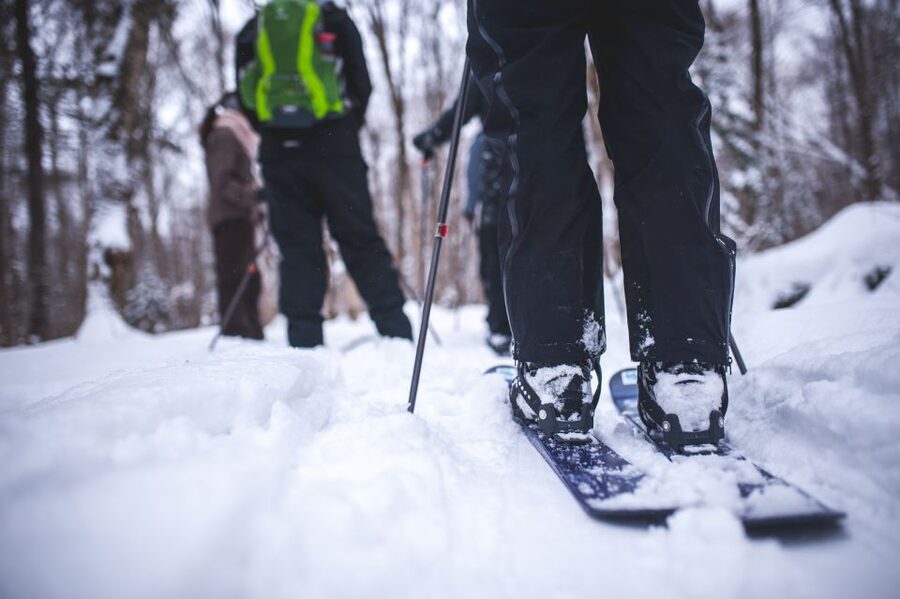
This tour isn’t a nonstop march. You’ll have plenty of opportunities to stop for photos and to rest. That’s one of the smartest parts of a winter excursion because cold can sneak up on your energy.
The breaks also create breathing room for the wildlife discussion. Winter sightings often happen in pauses. If you’re walking nonstop, you miss the stillness where animals might show up—or where you notice a track or scat and the guide can explain what it means.
This is also when you’ll get a better sense of how the landscape opens up in winter. Branches are bare. Light changes. Distance feels different. The guide’s job is to point out what to look for, so you don’t spend the whole time just searching the woods on your own.
Wildlife Spotting: Deer, Moose, and Porcupine Clues
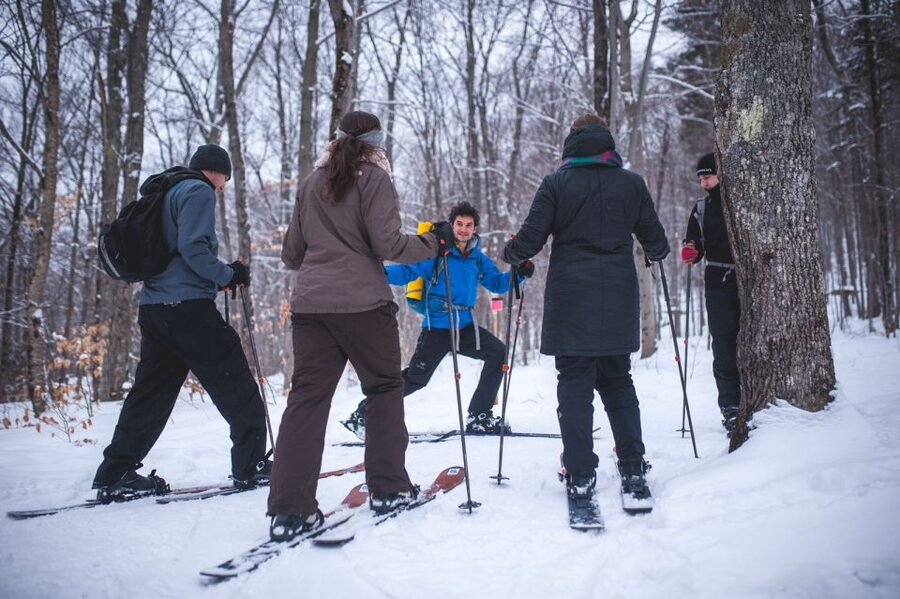
Wildlife can be easier to spot in winter, and your guide will keep an eye out for signs and sightings. The types of animals named include deer, moose, squirrel, and porcupine, plus other creatures that call the area home.
You don’t need to be a hardcore tracker. The point here is that your guide’s attention raises your odds. They’re watching for movement and for the tells that winter leaves behind—things you might miss if you’re focused only on your steps.
Also, sightings tend to be more subtle in snow. Sometimes the best “proof” is a sign. Sometimes it’s the pause of an animal at the edge of the trail. Either way, the guide turns curiosity into understanding.
Lunch and Hot Chocolate: The Midday Reset You’ll Appreciate
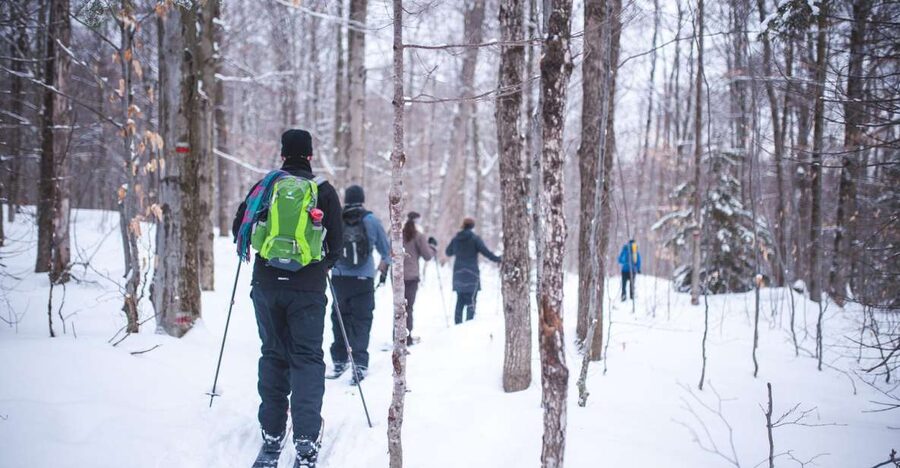
Food is included, and that’s a big deal on a cold outing. You’ll get hot chocolate and lunch. After time outside, you’ll feel the value immediately. It’s not only about calories. It’s about warming your core and making the second half of your walk comfortable.
The overall day schedule is built around that rhythm. Guided activity starts around 10:30 am and is planned to end by 2:00 pm. Then you’ll head back toward Quebec City. The bus departs the park around 3:00 pm, with a return targeted about 4:00 pm.
That gives you a full morning and early afternoon out in the park, with an end time that still leaves you room for dinner plans back in Quebec City—assuming you dress properly and don’t try to do too much immediately after.
Practical note: bring water. Cold weather can trick you into drinking less, and you’ll still sweat a little when you’re moving through snow.
Price and Value: What $108 Covers (and What It Doesn’t)
At $108 per person, this sounds like a “tour price.” But the value stack is the key. You’re not just paying for the trail time.
Included items add up fast:
- Transportation from Quebec City
- National park fees
- Ski-shoe and trekking poles
- Professional local guide
- Small-group tour
- Hot chocolate
- Lunch
That combination is what makes the trip feel like less work and more fun. For many visitors, winter activities fail because of gear confusion, logistics, and decision fatigue. This tour reduces those headaches by providing equipment and handling the main transportation piece.
What’s not included is winter clothing rental for your Quebec City trip. If you need proper winter gear, the recommendation is to search Quatre Natures online for rentals. That’s especially relevant if you’re traveling light and don’t already have insulated layers, gloves, and warm boots.
Who This Tour Fits Best (and Who Should Skip It)
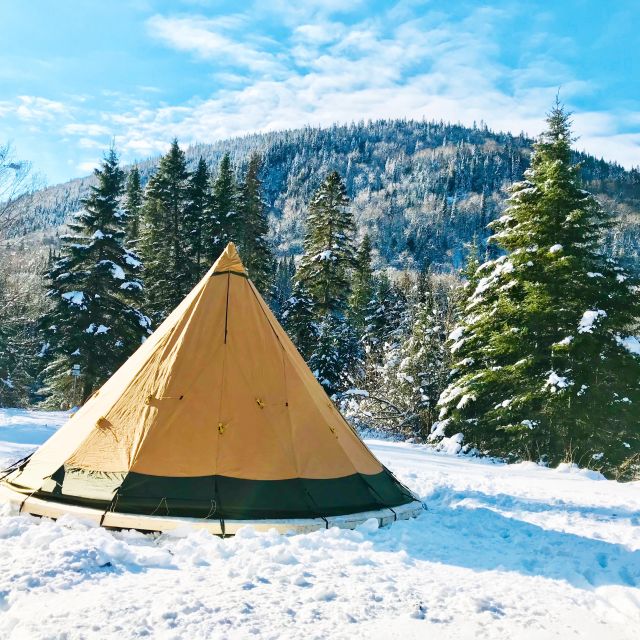
This is a good match if you want an easy-to-learn winter activity in Jacques-Cartier National Park. You don’t need prior experience—if you can walk, you can snowshoe. That makes it a strong choice for couples, friends, and solo travelers who want guided structure without technical pressure.
It also suits people who like learning along the way. The guide coaching includes forest knowledge and winter context, and the wildlife focus turns the walk into something more than scenery.
But it’s not for everyone. It’s not suitable for:
- Children under 14
- Pregnant women
- People with mobility impairments
- People with heart problems
- Wheelchair users
If any of those apply, you’ll want to choose a different winter plan.
When Snow Conditions Force a Change
One reality of winter in the Quebec City area: the tour depends on snow. If there isn’t enough snow, the activity will be canceled and you’ll be offered an alternative date or a full refund.
This matters because you don’t want to build your entire schedule around one winter slot. If you can, keep your calendar flexible. Winter can be stubborn, and it’s not about anyone’s fault.
Also, dress for cold properly. You’ll want warm clothing and your winter sports gear. Even with hot chocolate and breaks, winter punishes poor layering.
Should You Book Jacques-Cartier Ski-Shoe Tour?
I’d book this if you want a guided winter outing that’s beginner-friendly, logistics-light, and built around real nature time. The strongest draw is the way the experience blends technique coaching, wildlife attention, and the comfort of included food and warmth.
If you’re the type who enjoys learning while doing something active—especially in a place like Jacques-Cartier National Park—this hits the sweet spot. And because the trip includes transportation and gear, you’re less likely to lose the day to practical problems.
Skip it if you don’t feel comfortable with winter exertion, or if the tour’s restrictions apply to you. And if you’re traveling at a time when snow is uncertain, make sure you have flexibility so one cancellation doesn’t derail your whole plan.
FAQ
How long is the ski-shoe tour?
The activity is scheduled for about 3 hours in the park, with the full day running from roughly 9:00 am departure to about 4:00 pm return.
Where do pickups happen in Quebec City?
You have two pickup/drop-off options: Place d’Armes and Gare du Palais.
Do I need snowshoeing experience?
No. It’s described as beginner-friendly, and instruction is easy to follow. If you can walk, you can ski-shoe.
What gear is included?
You’ll receive ski-shoe and trekking poles for the outing.
Is lunch included?
Yes. Lunch and hot chocolate are included.
What should I bring?
Bring warm clothing, water, and any winter sports gear you normally use.
What happens if there isn’t enough snow?
If there isn’t enough snow, the tour won’t run. You’ll be offered an alternative date or a full refund.