REVIEW · BOROVETS
Ski and Snowboard lessons- Borovets ski resort
Book on Viator →Operated by 4seasonstmeood · Bookable on Viator
Learning to ski feels faster with a coach beside you.
In Borovets, this private ski or snowboard lesson focuses on real skills you can use right away, from basic stopping and safe falling to more controlled turning. I like that it’s built for beginners through advanced riders, and I especially like how the instruction targets confidence without the group chaos—often with instructors such as Tsetso, Tsveto, or Tsvetomir (depending on scheduling). One thing to think about: for true first-timers, you may spend most of your 2 hours on the lower learning areas and not use lifts immediately.
The biggest win for me is the way they start with gear and safety, then move quickly into technique. You’ll learn how not to hurt yourself or anyone near you, plus how to slow down, stop, and fall safely and get up again. That lets you build progress without the stress spiral.
My one caution is timing and planning for extra costs: the lesson price covers instruction and fees, but ski/snowboard rental and a lift pass are not included, and beginners sometimes still need a plan if you want to ride the lifts.
In This Review
- Key things I’d watch for in this Borovets lesson
- Borovets ski lessons that move at your pace (not the crowd’s)
- Meeting at Hotel Rila 2010 and getting set up without wasting time
- What you’ll do in the first 30 minutes: gear, safety, and stopping
- The learning zone: when you use lifts (and when you don’t)
- Beginner track: snow plows and your first real turns
- Intermediate and advanced goals: parallel turns and carving control
- Who this is best for (and who might want a different option)
- Price and value: what $33 really covers in Borovets
- Instructors and teaching style: calm coaching with practical tips
- What the 2 hours feel like: timing and momentum
- Weather matters: plan for a good ski day
- Should you book this Borovets ski lesson?
- FAQ
- How long is the ski or snowboard lesson?
- Where do I meet the instructor?
- Is ski or snowboard equipment included?
- Do I need a lift pass?
- What age is this lesson for?
- Is the lesson private?
Key things I’d watch for in this Borovets lesson
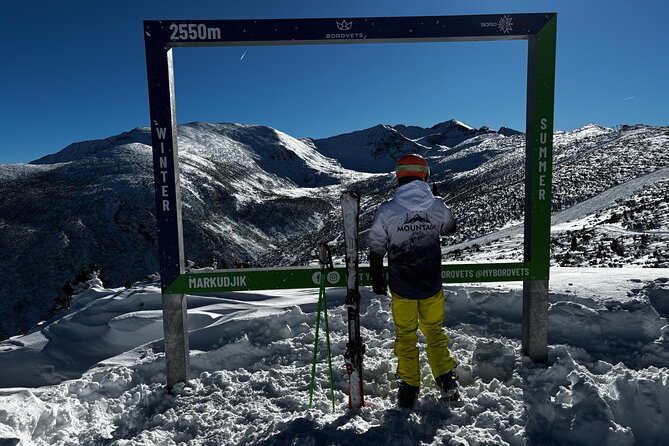
- Private coaching for your group only, which means more attention per minute
- Safety + equipment basics first, including stopping skills and safe falling
- Lift options on the mountain, with learning areas by the drag lift and a 6-man chair lift
- Clear skill ladder: snow plows → turns → parallel turns → carving and control
- Licensed instructors and a teaching style built around calm, step-by-step cues
- Equipment pickup timing: ski depot is open 08:30–17:00 local time
Borovets ski lessons that move at your pace (not the crowd’s)
Borovets can be busy, and skiing in a group lesson can feel like you’re always waiting your turn. That’s why I love the idea behind this experience: it’s private (your group only), so the coach can adjust the session to your balance, speed, and confidence.
The format is also smart for vacation timing. You’re looking at about 2 hours, which is long enough to get past the scary first stage for many people, but short enough that you don’t lose the whole day to training. If you’re trying to turn a first ski day into something you can actually enjoy, that’s the sweet spot.
Your instruction can also scale. The lesson is described for kids and adults from 3 years old up, with tracks that go from first steps for complete beginners to advanced goals like carving-style turn control on steeper terrain—always with safety in mind around other skiers.
You can also read our reviews of more tours and experiences in Borovets.
Meeting at Hotel Rila 2010 and getting set up without wasting time
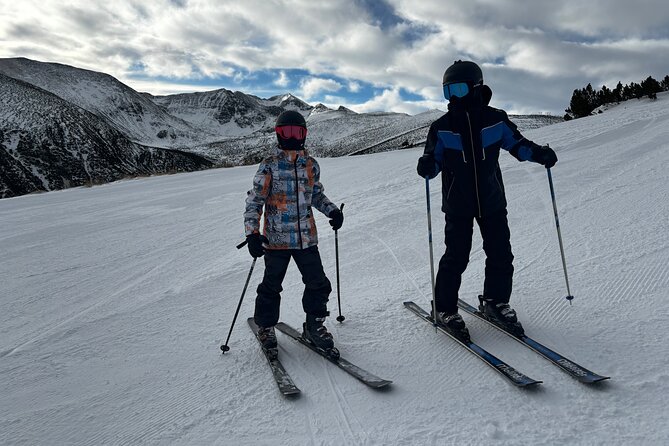
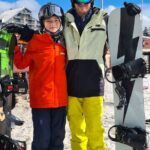
This lesson starts and ends at Hotel Rila 2010 in Borovets. That matters more than it sounds, because it reduces friction: you don’t need to hunt for a base office across the resort before and after your lesson.
Equipment is not included, so you’ll want to plan your timing. The ski depot is open from 08:30 to 17:00, which gives you room to pick up rental gear at a reasonable time. If you want to avoid rushing, I’d aim to sort rentals before the session so your first minutes are spent on learning, not fighting boots.
You also get a mobile ticket, which is usually faster at check-in than paper tickets. And service animals are allowed, which can be helpful for families who don’t travel without their support animal.
One practical note: the activity lists a moderate physical fitness level. That doesn’t mean you need to be an athlete—it means you should be comfortable standing, moving in ski stance, and dealing with some basic lifting and walking while you learn.
What you’ll do in the first 30 minutes: gear, safety, and stopping
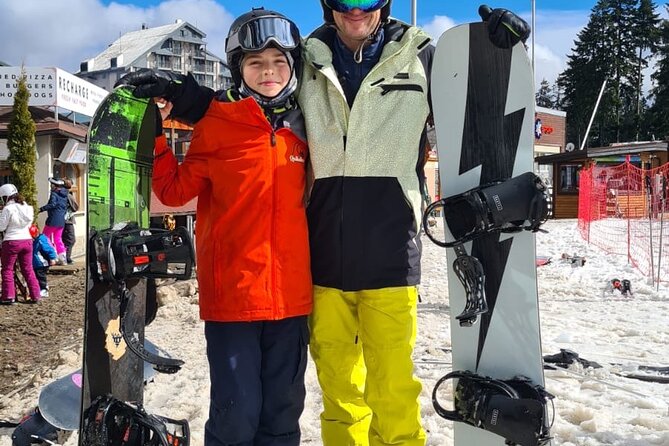
For complete beginners, the coaching logic is simple: if you can’t stop confidently, everything else feels scary. So your lesson starts with how to use your equipment and how to move safely so you don’t crash into people.
Expect drills around:
- learning how to control speed
- practicing stops
- learning how to fall safely and then get up
A small but powerful technique cue that comes up in this style of instruction is this: your downhill foot is your lead foot. That kind of cue helps you stop thinking only about panic and start thinking about control.
Also, they don’t just teach theory. They show you what to do, then correct it in real time. The goal is that by the time the lesson transitions to turning, you’re not constantly wondering whether your next move will go wrong.
The learning zone: when you use lifts (and when you don’t)
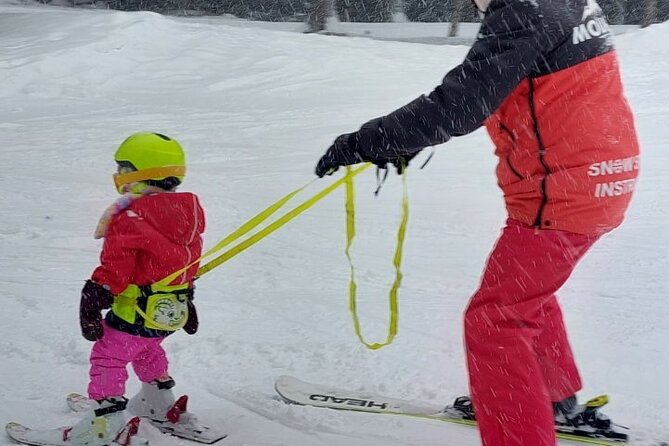
A big part of skiing success is friction—how much effort it takes just to get positioned for practice. This experience builds around that.
You’ll have a place for practice next to the drag lift and near a 6-man chair lift. For many beginners, that means you can get multiple runs without long walks back up.
The tour also notes something important: for complete beginners, it’s not necessary to use the lift and buy a lift pass right away. That makes sense because the first turning work—snow plows and slow speed turns—can happen on lower slopes without needing to ride the chair early.
When you do move toward lifts, the instruction includes how to use both smaller lifts and chair lifts safely. That reduces the two classic beginner problems: feeling lost on lift rides and forgetting what to do with your skis/board while loading and unloading.
If you do plan to buy a lift pass anyway, this lesson includes the schedule concept: the lift pass shown is half-day (08:30h–12:30h), which often lines up nicely with a morning lesson.
Beginner track: snow plows and your first real turns
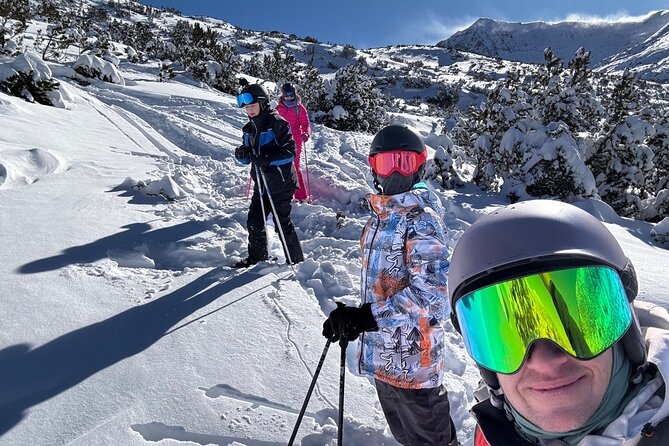
The lesson is designed so that after your early safety setup, you can work on the core beginner skills. They specifically mention being able to manage snow plows and turning within the lesson window.
What that looks like in practice:
- You start with speed control in a comfortable stance
- You practice stopping until it feels automatic
- Then you work turning mechanics without chasing speed
For me, this is where private instruction earns its keep. In a group, one person’s correction can take minutes, and the whole class loses momentum. Here, the coach can adjust one person’s timing or body position and keep you rolling.
If you progress faster than expected, the session often includes extra chances to ski or snowboard afterward—there’s mention of continuing to enjoy time on the slopes if you feel ready.
Intermediate and advanced goals: parallel turns and carving control
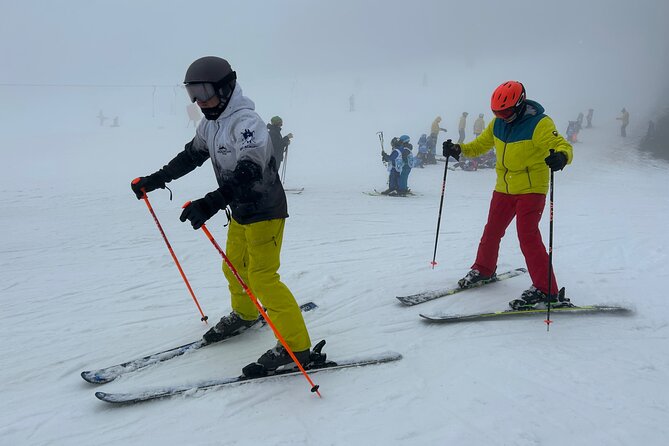
If you’re beyond the snow-plow stage, this lesson still has a job for you. The intermediate track targets a quick move toward parallel ski turns, with the idea that you’ll build the motor pattern for more efficient turning.
From there, advanced work is described as:
- carving turn control
- handling steeper slopes
- doing it with safety control, especially around other people
That last part matters. Carving and speed control can look impressive, but if you’re not aware of spacing, it turns stressful fast. A good coach keeps you pushing your technique while also keeping you predictable to the skiers around you.
If your level is in the gray zone—say you can link turns but still feel shaky when terrain changes—private lessons are often ideal. You don’t need a whole group to slow down with you; you need one clear plan for where your skis/board should be, and how your body should react.
Who this is best for (and who might want a different option)
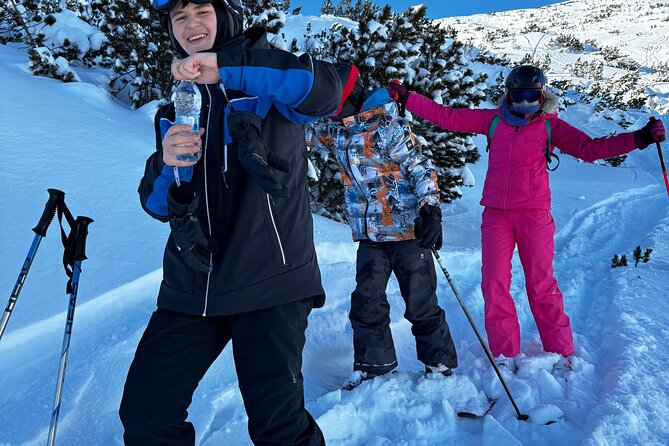
This experience is a strong fit if you want:
- fast progress for a first-time or near-first-time ski day
- coaching that focuses on your specific issues (not a one-size-fits-all plan)
- a family-friendly option for mixed skill levels
It’s also clearly set up for groups: it says it’s private for your group only, and it’s framed as private and family lessons starting at age 3. If you’re traveling with kids or friends who learn at different speeds, private instruction is often the easiest way to keep everyone moving forward.
If you’re already very advanced, you might still enjoy a lesson here, but think of it as refinement. The format is only about 2 hours, so you’ll get the most value if you arrive with one or two things you want to fix—turn shape, edging, or control under pressure.
Price and value: what $33 really covers in Borovets
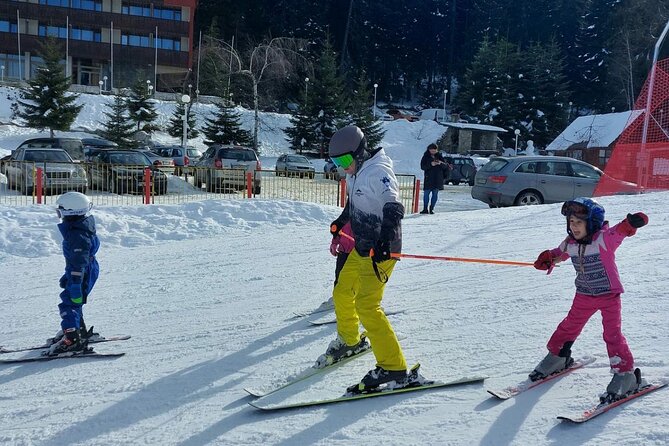
The lesson price is listed at $33 for about 2 hours and includes all fees and taxes. That’s a simple baseline: you’re paying for instruction and getting a licensed teacher on the slopes.
What’s not included is where your budget can change quickly:
- Ski or snowboard rental: listed as about 11€ for kids and 16€ for adults for a 1-day rental (kids ~11€ / adults ~16€)
- Lift pass: half-day (08:30h–12:30h) with age-based pricing
Lift pass prices given:
- Ages 3–6 free
- Ages 7–14: 23€
- Ages 14–22 and 65+: 28€ and 23–64: 36€
So the value question becomes: will you need lifts, or mostly lower-slope practice? If you’re a complete beginner, you might skip the lift pass at first and still get real skill work. If you’re ready to ride and want more vertical practice, you’ll likely buy the lift pass.
Either way, the lesson is priced so you’re not locked into paying for a full day of instruction. You can use the session to build confidence and technique, then enjoy the rest of your time independently.
Instructors and teaching style: calm coaching with practical tips
The biggest theme across the instructor feedback is patience and clarity. Coaches like Tsetso, Tsveto, and Tsvetomir are repeatedly highlighted for explaining basics in a way that makes sense fast.
A few teaching moments stand out as especially useful:
- Starting from zero with safety and gear basics
- Teaching how to slow down and stop so you feel safe
- Showing how to use lifts properly, not just how to ski
- Correcting technique with simple cues
One specific line you can try to remember for snowboarding and skiing control: your downhill foot becomes your lead foot. It’s the kind of cue that helps you trust what your body is doing instead of overthinking.
If you’re traveling with kids, look for this same approach. The session is designed to handle beginners and it explicitly includes family lessons. A patient coach can turn the first fear into a practical skill in one or two sessions, especially if the child is willing to try again after a fall.
What the 2 hours feel like: timing and momentum
In a good lesson, the rhythm matters. This one is structured so you start with basics, then you move to turning work without letting the session drag.
You can expect:
- initial gear/safety training
- practice focused on control (stops, falling, getting up)
- turning drills, including snow plows for beginners
- possible lift exposure depending on level and comfort
Then you finish back where you started at Hotel Rila 2010. If your instructor decides you’re ready, you may also have time afterward to ski or snowboard for fun, and the depot hours give you a cushion for equipment return.
Weather matters: plan for a good ski day
This experience requires good weather. If it’s canceled due to poor weather, you’ll be offered another date or a full refund. That’s not something you want to gamble on last minute, so check forecasts and be ready to adapt.
Also note the policy: the booking is non-refundable and can’t be changed once booked. If you’re the type who likes flexibility because of weather, build that into your decision timing.
Should you book this Borovets ski lesson?
Yes, if you want progress without spending your whole trip in a classroom or waiting for a group. This is a strong choice when you’re:
- brand new or close to new
- nervous about safety and want fundamentals taught the right way
- traveling as a family or small group and want attention that scales with your pace
It’s also a good “first step” even if you’re not a total beginner, because technique corrections in 2 hours can make your next days on snow feel easier.
Skip it or consider alternatives if you’re expecting a full-day immersion. This is a focused 2-hour lesson, so you’ll get the best payoff if you show up ready to practice and you can handle a moderate level of physical activity.
If you book, I’d do two things: come in with one goal (stop better, turn cleaner, ride a lift confidently) and don’t forget to budget for rental gear and possibly a lift pass. The instruction is priced well for what it gives you, but the mountain costs still need a plan.
FAQ
How long is the ski or snowboard lesson?
The lesson lasts about 2 hours.
Where do I meet the instructor?
You meet at Hotel Rila 2010 in Borovets, Bulgaria, and the lesson ends back at the same meeting point.
Is ski or snowboard equipment included?
No. Ski and snowboard rental is not included (with listed 1-day prices for kids and adults).
Do I need a lift pass?
The lift pass is not included. For complete beginners, it’s noted that you do not necessarily need to use the lift and buy a lift pass right away, since learning can start on the lower practice areas.
What age is this lesson for?
Individual ski/snowboard lessons are for age 3 and up.
Is the lesson private?
Yes. It’s listed as private, and only your group participates.