REVIEW · SAPPORO
Sapporo: Otaru Asarigawa Ski Resort Day Trip with Gear
Book on GetYourGuide →Operated by イ一エストラベル株式会社 · Bookable on GetYourGuide
A snow day with teaching that actually helps. This Sapporo-to-Otaru Asarigawa day trip is built for fast progress, with two 2-hour coaching blocks and included gear so you spend less time figuring things out. I also like the small, guided feel, especially with instructors who can work in both English and Chinese.
The big practical win is that you start at Sapporo Station and get back the same day, with a bus ride designed for snow driving and resort timing. One possible drawback: if you show up as a true beginner and pick the freestyle option, the tour assumes you already ski well, so you may miss the coaching you need.
In This Review
- Key takeaways
- From Sapporo Station to Asarigawa: how the day starts
- Gear and lift pass: what’s included, what you still need
- The real learning: two 2-hour coaching blocks for beginners
- Sledding time: a fun break between ski efforts
- Lunch window: short, flexible, and on you
- Bus ride back: the easy finish
- Free photos and that “highlights” feeling
- Languages and group size: why instruction feels clearer
- Price check: when $185 is good value
- Safety reality: how to make it a good experience
- Who this day trip fits best
- Should you book this Sapporo to Otaru Asarigawa ski day?
- FAQ
- Where is the meeting point?
- What time does the tour run?
- What’s included in the price?
- What languages are the instructors?
- Is lunch included?
- Do I need to bring gloves?
- Is coaching provided for all packages?
Key takeaways
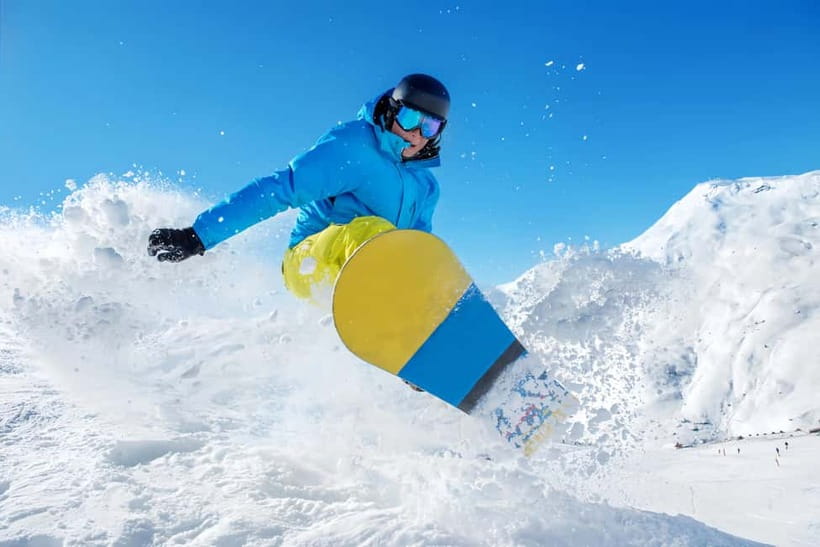
- Full ski setup + lift pass included (skis, boots, poles, helmet, goggles), so you can pack lighter.
- 2-hour morning instruction on gentler slopes for true beginners, taught in English and Chinese.
- Sledding time built into the day, so you’re not just riding lifts and practicing turns.
- Free photo service that captures your highlights.
- Small-group coaching style, with each instructor guiding up to 10 participants.
- Language support includes Chinese, English, and Traditional Chinese for clearer directions on snow safety.
From Sapporo Station to Asarigawa: how the day starts
You meet at the Sapporoekikitaguchi Bus Parking Lot (3 Chome Kita 7 Jonishi, Kita Ward, Sapporo). The guide will be holding a sign that reads Ski Day Tour, and you check your name before heading to the bus. This is one of those days where being on time matters, because the resort schedule is tight.
The bus ride runs about 1 hour. It’s also part of the value: you’re not coordinating transfers or hunting down the resort shuttle in winter conditions. Since Sapporo Station is under construction, arrive early and give yourself extra buffer to find the right area without stress.
You can also read our reviews of more tours and experiences in Sapporo.
Gear and lift pass: what’s included, what you still need
This trip includes the core equipment you need for snow sports: skis, boots, poles, helmet, and goggles, plus a lift pass. That combination is a big deal in Hokkaido, because winter gear can cost a lot if you rent day-by-day.
You should still plan for what’s not included. Gloves aren’t included, and you’ll want them for cold hands and safer falls. The tour also notes optional skiwear rental, which can help if you don’t have insulated layers, but the exact availability isn’t listed here—so if you care about that, check ahead.
If you’re choosing between packages, there are options tied to single board and double board formats. If you’re unsure what fits you best (ski vs snowboard-style setup), ask before committing so you don’t end up with the wrong learning track.
The real learning: two 2-hour coaching blocks for beginners
The heart of this experience is the instruction, and the timing is smart. You get a 2-hour morning lesson after you pick up your gear at the resort. The focus is beginner-friendly: learning basics on gentle slopes with quality snow that’s meant for building confidence.
In the morning session, you’re not just watching. You’re practicing technique and getting corrections while you still have energy. Instruction is available in English and Chinese, and there’s also Traditional Chinese supported—useful if you want fewer misunderstandings when the instructor explains safety and turns.
After that, you’ll have your scheduled downhill practice later in the day. The plan includes another 2 hours in the afternoon to use what you learned and keep improving before you head back. This “learn, practice, repeat” structure is one reason the day feels efficient—by the time you go again, you’re already warmed up and understanding what to try.
Sledding time: a fun break between ski efforts
There’s also dedicated sledding time (2 hours, then another 2 hours later). Even if you’re mainly there for skiing or boarding, this kind of break matters. It gives your legs recovery time from learning turns and reduces the feeling of being stuck in one repetitive activity all day.
Sledding can be a confidence builder too: it’s snow sport without the same technical burden. If you’re traveling with friends who aren’t progressing as fast, having sledding in the schedule can keep everyone feeling included, not left behind.
One more winter detail: before boarding the cable car, the instructor provides safety advice based on your level. In principle, everyone can board, but you should follow what the instructor says for your specific ability.
Lunch window: short, flexible, and on you
Lunch is scheduled for about 1 hour, and it’s at your own expense. Because your free time is limited, don’t plan a long restaurant detour. Instead, use the hour to refuel and warm up, then get back to the slopes while your momentum is still there.
This is also where you can plan a quick gear check. If your gloves are missing, your hands will tell you quickly. If you feel cold, it’s better to fix it at lunch than after you’ve already started losing sensation.
Bus ride back: the easy finish
After your final practice block, you return your equipment and board the bus back to Sapporo Station. The day ends in the early evening, which is perfect if you still want dinner plans in the city without needing an overnight.
One small-but-real comfort: snow travel is hard on timing. The overall transport experience is highlighted strongly, including the bus driver’s attention while driving in winter conditions. That kind of competence matters more than you’d think until you’re on the road.
Free photos and that “highlights” feeling
A standout perk is the free photo service. It captures your highlights, which can be surprisingly helpful in a beginner day where you’re focused on technique. You get proof of the moment, and it can also help you remember what to practice next time.
If you’re traveling for the first time in Japanese snow country, having photos taken for you reduces the awkwardness of stopping, adjusting your camera, and getting a friend to shoot while you’re still excited and cold.
Languages and group size: why instruction feels clearer
This tour runs with professional instructors who guide in Chinese and English for beginners. That matters because snow-sport learning is heavy on details: how to position your body, how to handle lifts safely, and how to stop without panic.
Each instructor guides up to 10 participants, which helps keep the lesson from turning into a crowd-control situation. You should still expect a “hands-on, correct your form” style, not a lecture. If you enjoy learning by doing and want more individualized cues, this structure is a good match.
Price check: when $185 is good value
At $185 per person for a 9-hour day, the value comes from what’s bundled:
- Round-trip bus transport
- Resort-time access via a lift pass
- Full ski gear (including helmet and goggles)
- Two sessions of instruction (for the beginner-friendly coaching setup)
- A free photo service
If you were to price these separately—especially gear rental plus lift access plus guided coaching—the package often makes financial sense. The day also saves you from logistical headaches, which is part of why these trips feel worth it even when you’re not sure you’ll ski a ton.
The cost can feel less justified only if you don’t actually need coaching. The trip’s own guidance is clear: if you choose the freestyle skiing package, the assumption is that you already ski well and no coach is arranged. For true beginners, it’s smarter to choose the package with coaching so you don’t pay for a day where you’re winging it.
Safety reality: how to make it a good experience
Skiing and snow sports are inherently risky. The tour notes that participants must ski within their ability, and instructors provide guidance but aren’t liable for personal safety. That’s not meant to scare you—it’s a good reminder to take instructions seriously.
The tour also recommends travel/accident insurance, which I agree with. Winter activities can mean minor injuries, canceled schedules, or delays. Insurance keeps your trip from turning into a financial problem.
You should also follow lift rules carefully, especially around cable car boarding. The instructor will give safety advice before you go up, and you should treat that as the final word for your level.
Who this day trip fits best
This is best for you if:
- You’re a beginner who wants real instruction on slopes designed for learning.
- You want gear and transport handled, so you don’t spend half the day renting and traveling.
- You like a structured day with coaching morning + practice afternoon.
It may not be the right fit if:
- You’re relying on a freestyle option but you’re not already proficient, since coaching may not be included in that scenario.
- You’re not comfortable with safety rules around lifts and cable cars.
The tour also lists clear limits: children under 7 aren’t suitable, pregnant women aren’t suitable, people under 130 cm aren’t suitable, pre-existing medical conditions make it not suitable, and people over 70 aren’t suitable.
Should you book this Sapporo to Otaru Asarigawa ski day?
If you’re looking for a winter day that makes beginners feel capable, I think this is a strong choice. The included gear, the lift pass, and the two coaching blocks are the kind of “set up for success” value that’s hard to replicate on your own. Add the free photo service and the small-group instruction (up to 10 per instructor), and the day feels thoughtfully put together.
Don’t book it assuming you can freestyle your way through without coaching. Match your skill level to the right package, and you’ll get way more out of the slopes. If you want a calm, structured first ski experience from Sapporo with a friendly team (including guides like Leo, noted for being helpful and professional), this is the kind of day trip that can turn into a winter highlight.
FAQ
Where is the meeting point?
You meet at the Sapporoekikitaguchi Bus Parking Lot, address 3 Chome Kita 7 Jonishi, Kita Ward, Sapporo, Hokkaido 060-0807 Japan.
What time does the tour run?
The duration is listed as 9 hours, and starting times depend on availability.
What’s included in the price?
Included are the round-trip bus, skis, boots, poles, helmet, goggles, and the lift pass.
What languages are the instructors?
Instruction is available in Chinese, English, and Traditional Chinese.
Is lunch included?
No. Lunch is not included, and there is a lunch break of about 1 hour.
Do I need to bring gloves?
Gloves are not included. You’ll want gloves for warmth and safety.
Is coaching provided for all packages?
Coaching is provided for beginners. If you choose the freestyle skiing package, it assumes you are already proficient and a ski coach is not arranged.