REVIEW · TROMSO
Tromsø: Cross-Country Skiing Beginner Course + Transfer
Book on GetYourGuide →Operated by Tromsø Outdoor · Bookable on GetYourGuide
Skis are easier when someone shows you. This beginner course on Tromsøya teaches you how to handle the scary first moments, from falling down and getting up to building confidence on small hills. I especially love the step-by-step coaching on control (not just speed), and I love the hot drink and lefse break in the forest that keeps the whole thing light and Norwegian. One possible drawback: it’s harder than you expect at first, so plan on a real workout and don’t treat it like a casual stroll.
The setting is a big part of the point—prepared trails on the top of Tromsøya with birch and spruce forests, plus plenty of time practicing basics on flat ground before you get challenged. The guides are English-speaking and several names come up in past instruction (like Joanna, Mathieu, Marta, Melanie, and Alex), and the common thread is patient, practical teaching for true beginners. With a small group limited to 8, you get more attention than you would in a bigger outing.
In This Review
- Key highlights at a glance
- Getting Started With Included Skis, Boots, and a Real Plan
- From Tromsø Outdoor to the Ski Trails: Why the Timing Matters
- Your First Battle: Learning to Fall Down (and Get Up)
- Flat-Ground Technique Drills That Set You Up for Hills
- Skiing on Tromsøya: Forest Trails and the Northern-View Feeling
- The Lefse Break: Fuel, Warmth, and a Norwegian Pause
- Gear Included, Clothes Not: What You Actually Need to Bring
- Small Group Size Means Faster Learning
- How Much Fitness You Need (And Why It’s Still Worth It)
- Who Should Book This Course (and Who Should Skip It)
- After the Lesson: Rent Skis and Keep the Habit Going
- Price and Value: Why $131 for 3 Hours Adds Up
- Should You Book This Tromsø Cross-Country Skiing Beginner Course + Transfer?
- FAQ
- How long is the cross-country skiing beginner course?
- Where is the meeting point?
- What’s included in the price?
- Is there a snack included?
- What language are the instructors?
- How big is the group?
- Do I need to rent winter clothes?
- Is the course suitable for children?
- Is it cancellable?
- Can I reserve without paying right away?
Key highlights at a glance
- Falling and getting up coaching so you don’t freeze the first time skis tangle
- Hot drink + lefse included during a break in the forest
- Prepared trails on Tromsøya with birch and spruce, plus a view-friendly route
- Progression from flat drills to small hills for a real sense of achievement
- Equipment included (skis, poles, boots), plus a guide and transfer
Getting Started With Included Skis, Boots, and a Real Plan
This is a beginner-friendly way to learn cross-country skiing without wasting time on guesswork. You show up, get fitted with skis, poles, and boots, and then your guide takes over with a structured approach: learn the movements, practice them immediately, and only then add challenge.
What I like most is that the course doesn’t pretend you’ll glide like a pro on day one. You start with the basics that actually matter—how to move under control, how to stop panic when you lose balance, and how to reset quickly. That’s the difference between a fun introduction and a frustrating afternoon.
The included transfer is also practical. Instead of figuring out how to reach the ski area on your own, the outing gets you to the right trails in a short drive from Tromsø. That means more time skiing and less time wrestling with winter logistics.
You can also read our reviews of more tours and experiences in Tromso.


From Tromsø Outdoor to the Ski Trails: Why the Timing Matters
Your guide meets you outside the Tromsø Outdoor activity and rental center about 10 minutes before departure. That window matters because winter gear takes a few minutes to get right—boots, ski straps, poles, and basic positioning—plus you’ll want to hear the quick safety and technique pointers before you hit snow.
Once you’re set, the group heads to the course area on Tromsøya. The route is designed to take you through central parts of the island and then toward the northern scenic area, mostly on prepared trails. The prepared-trail setup is a big deal for beginners. It reduces the chances you’re fighting deep snow or trail conditions while still trying to master the fundamentals.
If you’re thinking of doing this independently later, remember this is built for training. You’re learning in the place and conditions where instructors can correct you fast.
Your First Battle: Learning to Fall Down (and Get Up)
The course starts with the kind of advice you usually don’t hear until you’re already in trouble: how to fall down safely and how to get back up. I love this approach because it removes fear early. When you know what to do, you stop treating every wobble like an emergency.
You’ll also learn how to put on and take off your skis. That sounds simple, but the first time you try to do it cold and clumsy, it can waste energy. This instruction saves you from getting frustrated right at the start.
Once you can manage your equipment and your balance, you move into basic skiing technique in a completely flat area. Flat ground is where you build confidence fast. You’re not tackling hills yet—you’re training your body to do the motions without overthinking.
A helpful mindset: focus on smoothness and control before you care about distance. If you’re trying to “go somewhere,” it’s easy to tense up. If you’re training the movement pattern, your speed will come later.
Flat-Ground Technique Drills That Set You Up for Hills
In the first stretch, you practice basic techniques on flat terrain. This is where you learn how to balance, use your poles, and coordinate your weight so the skis actually go where you point them. Beginners often expect cross-country skiing to feel like walking on rails. In reality, it’s more like learning a new rhythm.
After you get comfortable, the course builds in progression. You’ll begin to mix techniques, and then the guide leads you into small hills to challenge what you’ve learned.
That progression is smart for beginners because it matches how your brain learns:
- First, learn what to do.
- Then, repeat it enough times that your body starts to anticipate the next step.
- Then, add terrain so you learn the technique under pressure.
If you’ve done zero winter sports before, expect a learning curve. Several people note that it feels harder than they expected—and that’s consistent with the effort needed to move smoothly while you’re still learning balance and control.
Skiing on Tromsøya: Forest Trails and the Northern-View Feeling
One of the best parts of this outing is the “why Tromsø” factor. You’re not skiing in a parking-lot fantasy. You’re on Tromsøya, with prepared trails through areas featuring birch and spruce forests. Even in winter light, that kind of setting makes you want to keep practicing instead of rushing to finish.
The tour also moves toward the northern part of the island, which gives the day a natural sense of travel. You’ll feel like you’re spending your time on the sport rather than just standing around listening.
And because the tracks are prepared, you can focus on technique while still enjoying the thrill of movement through snow-covered woods. It’s one of those trips where you come for the exercise and leave with that “I get it now” satisfaction.
The Lefse Break: Fuel, Warmth, and a Norwegian Pause
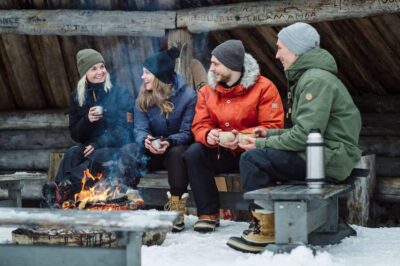
Midway through the course, you stop for a break with a hot drink and a sweet snack: lefse. This matters more than it sounds. Cross-country skiing can be surprisingly demanding on your legs and your hands (especially with wind), so warmth and a quick energy boost keep the rest of the session enjoyable.
It also gives your guide a natural moment to check everyone’s progress. After a break, it usually becomes easier to apply corrections. You’re warmer, your muscles aren’t as tense, and your brain is ready for the next drill.
If you’re prone to getting cold easily, this break is a good reason to push through the first half. You don’t just learn—you recover and then learn again.
Gear Included, Clothes Not: What You Actually Need to Bring
Gear is handled for you: skis, poles, and boots come with the tour. That’s valuable because it saves you from guessing sizing and setup. But winter clothes aren’t included in the price.
The key rule is simple: dress warm and windproof. Northern Norway weather can change fast, and the course notes that it’s obligatory to be ready for that. If you don’t already have proper layers, you can rent winter clothes separately at the rental center, ideally arranged in advance.
Here’s how I’d pack for a beginner ski session:
- Warm base layers that wick sweat
- Insulated mid-layer (fleece or similar)
- Windproof outer layer
- Warm gloves and a hat that covers your ears
- Winter socks that fit well with ski boots
Don’t underestimate gloves. You’re going to use your hands to balance when learning, and cold fingers turn a fun session into a miserable one fast.
Small Group Size Means Faster Learning
This course is limited to 8 participants, which is one of the most practical quality markers here. On a beginner outing, the bottleneck is attention: how quickly can the guide spot what you’re doing wrong and fix it?
With a small group, your guide can watch closely and adjust instruction. That matters because technique isn’t just “move your legs”—it’s timing, weight shift, and coordination with poles.
You’ll also feel less self-conscious. When you’re learning something genuinely new, you want a calm pace and patient correction. Several past participants specifically highlighted how guides were thoughtful, knowledgeable, and patient—which fits the small-group style.
How Much Fitness You Need (And Why It’s Still Worth It)
Cross-country skiing is a workout, even for beginners. You’re moving in snow with gear on, and you’re learning to balance while your body tries to compensate. The course includes small hills at the end, which is part of why it can feel harder than expected.
Still, this doesn’t mean you need to be an athlete. What you need is:
- Willingness to learn step-by-step
- A bit of stamina for 3 hours of effort
- Patience when balance feels awkward
Think of it like this: you’re buying instruction plus time on your skis in a guided, safe progression. That’s why it’s worth it even if you’re not sure you’ll become a regular skier.
Who Should Book This Course (and Who Should Skip It)
This is a great fit if you want to try a true Norwegian winter sport and you’d rather learn correctly than struggle alone. It’s especially appealing if:
- You’re a complete beginner
- You want included equipment and a guide
- You like scenic winter outings and a structured pace
- You want a confidence boost before trying longer trails on your own
It’s not suitable for everyone. The course listing excludes:
- Children under 12
- People with mobility impairments or wheelchair users
- People with vertigo
- People with pre-existing medical conditions
If any of those apply, it’s best to look for an alternative that’s designed with your needs in mind.
After the Lesson: Rent Skis and Keep the Habit Going
One smart feature: after the tour, you can rent skis to practice on your own. That’s huge for retention. Learning just the motions with a guide is great, but practicing independently is how you turn it into a real skill.
This also helps you avoid the common beginner problem: learning for one afternoon and then losing the technique. If you liked the sport, you’ll have the chance to keep working on what your guide taught you.
Price and Value: Why $131 for 3 Hours Adds Up
At $131 per person for a 3-hour beginner course, you’re paying for three things that are usually expensive or annoying to arrange separately:
- Instruction from an English-speaking guide
- Equipment (skis, poles, boots)
- Transfer to the ski area from Tromsø
For a first-timer, those are the right ingredients. Equipment alone can be a hassle to source and size correctly, and beginner instruction is what makes the difference between a bad day and a productive one. The included warm drink and lefse break are a nice bonus that keeps energy up.
If you’ve never done cross-country skiing before, this is one of those purchases that saves you time and frustration. It’s not about getting “more snow for your money.” It’s about getting the basics right.
Should You Book This Tromsø Cross-Country Skiing Beginner Course + Transfer?
Book it if you want a guided introduction that focuses on control, not bravado. The falling-and-getting-up start is exactly what you want as a beginner, and the progression from flat drills to small hills helps you end the session feeling capable.
Skip it if you know cross-country skiing motion will be difficult for your body or if vertigo and balance issues are a concern. Also, if you hate being outside in wind and cold, take the clothes requirement seriously—this outing expects you to show up properly layered.
If you’re visiting Tromsø for a few days and want one winter activity that feels distinctly local, this is a strong choice. You’ll leave with usable basics, a sense of accomplishment, and (if it clicks) an easy way to keep practicing right after.
FAQ
How long is the cross-country skiing beginner course?
The duration is 3 hours.
Where is the meeting point?
Your guide meets you outside of Tromsø Outdoor activity and rental centre, about 10 minutes prior to departure.
What’s included in the price?
It includes skis, poles, ski boots, a guide, a hot drink, a sweet snack (lefse), and transfer.
Is there a snack included?
Yes. You get a hot drink and a sweet snack during a break, with lefse mentioned as the local treat.
What language are the instructors?
The instructor teaches in English.
How big is the group?
The group is small, limited to 8 participants.
Do I need to rent winter clothes?
Winter clothes are not included in the tour price, but can be rented separately at the rental centre if arranged in advance. You are expected to wear warm and windproof clothing.
Is the course suitable for children?
It is not suitable for children under 8, and it is also listed as not suitable for children under 12.
Is it cancellable?
Yes. Free cancellation is available up to 24 hours in advance for a full refund.
Can I reserve without paying right away?
Yes, there is a reserve now & pay later option, so you can book your spot and pay later.